Analysis
From School Lunch to Hospital Trays: Arizona Was Early on Cleaner Food
· Make Arizona Healthy
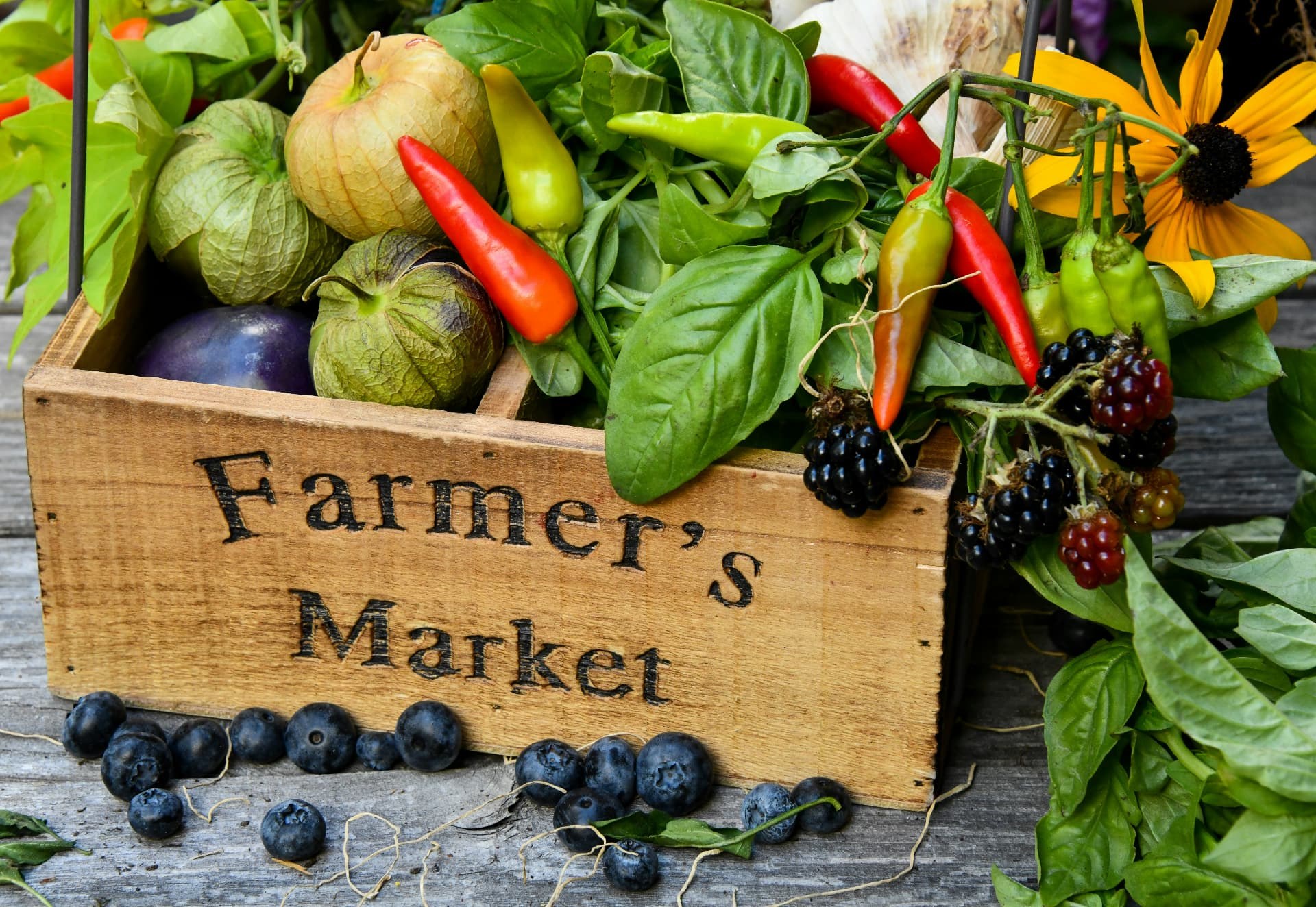
Hospital food has a long-running reputation, and not a good one. That is starting to change.
In late October, the U.S. Department of Health and Human Services announced that more than 250 hospitals have signed the Make Hospital Food Healthier Pledge. The voluntary pledge, launched in July by HHS and the Centers for Medicare and Medicaid Services, asks hospitals to rethink what lands on a patient's tray.
Arizona is part of that story twice over. Nine Arizona hospitals have signed on. And Arizona's public schools made a similar change of their own this school year.
What the hospital pledge asks
Hospitals that sign agree to align patient meals with the federal Dietary Guidelines for Americans. In practice, that means:
- Limiting ultra-processed foods and sugar-sweetened drinks
- Baking, roasting, grilling, or stir-frying instead of deep frying
- Limiting processed meats and foods high in added sugar, sodium, or artificial additives
- Favoring whole grains and putting more vegetables, fruits, beans, and minimally processed proteins on the menu
- Giving patients nutrition resources when they go home
 Photo: Ella Olsson / Unsplash
The pledge is voluntary. Medicare already requires hospitals to meet each patient's nutritional needs. The pledge sets a clearer standard for how to do it.
Some hospitals say it changes little for them. Parkview Health, which announced its pledge in late October, described it as formalizing practices its kitchens already follow. For others, it means new menus.
Arizona hospitals on the list
According to the HHS pledge page, nine Arizona hospitals have signed, all part of HonorHealth:
- HonorHealth Deer Valley, John C. Lincoln, and Sonoran Crossing medical centers in Phoenix
- HonorHealth Scottsdale Osborn, Scottsdale Shea, and Scottsdale Thompson Peak medical centers
- HonorHealth Four Peaks Medical Center in Mesa
- HonorHealth Tempe Medical Center
- HonorHealth Florence Medical Center
That puts the pledge within reach of patients across much of the Valley and into Pinal County.
Arizona schools moved early
While hospitals are signing on now, Arizona classrooms have already made the shift.
The Arizona Healthy Schools Act, House Bill 2164, passed the House 59 to 0 and the Senate 28 to 0 in 2025. Governor Katie Hobbs signed it on April 14, 2025. Rep. Leo Biasiucci of Lake Havasu City sponsored the bill.
The law took effect this school year, 2026 to 2027. Schools that take part in federally funded meal programs can no longer serve or sell food containing any of 11 listed ingredients during the school day:
- Seven synthetic dyes: Red 3, Red 40, Yellow 5, Yellow 6, Blue 1, Blue 2, and Green 3
- Potassium bromate, propylparaben, titanium dioxide, and brominated vegetable oil
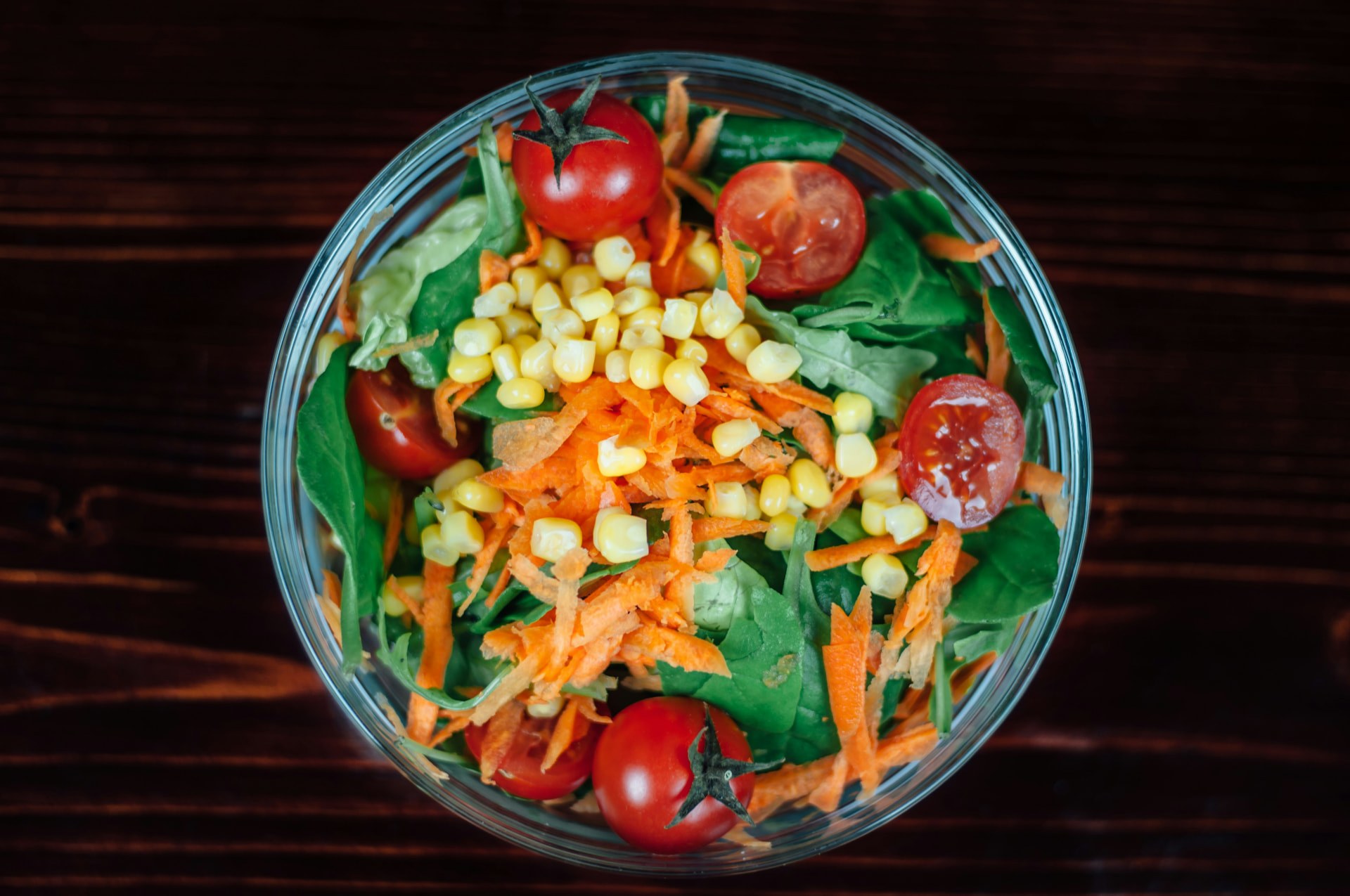 Photo: I E / Unsplash
Parents can still pack whatever they choose. The law requires the Arizona Department of Education to provide a certification form for schools and to publish a list of schools that have certified compliance.
For many cafeterias, the change has been modest. The School Nutrition Association of Arizona has said most schools were already compliant or close to it under existing federal meal rules. Condiments and certain snacks were the items most likely to change.
Part of a wider shift
Arizona is not alone. California, West Virginia, Virginia, and Utah have also restricted certain ingredients in school food.
At the federal level, the Food and Drug Administration announced a plan in April 2025 to phase out petroleum-based synthetic dyes. The agency is working with manufacturers to remove six common dyes from the food supply and has asked companies to drop Red 3 ahead of its formal deadline.
Industry is moving too. As of October 16, 2026, the FDA's public tracker lists 31 companies and trade groups that have pledged to remove petroleum-based dyes from their products. That makes the work easier for school cafeterias and hospital kitchens alike.
Why it matters
Schools and hospitals feed people at important moments. A child's school lunch may be the most reliable meal of the day. A hospital meal is part of how a patient recovers.
The Healthy Schools Act passed without a single no vote in either chamber. Few issues bring that kind of agreement. Cleaner food in the places that care for kids and patients is one of them.
Where Arizona stands
| Milestone | Status |
|---|---|
| Arizona Healthy Schools Act (HB 2164) | In effect for the 2026 to 2027 school year |
| Arizona hospitals on the federal pledge | 9, all HonorHealth |
| Federal dye phase-out | Underway; 31 industry pledges tracked |
We will update these figures as they change.
What to watch
- Whether more Arizona hospitals and health systems join the pledge
- How schools report compliance with the Healthy Schools Act this year
- How quickly manufacturers finish removing synthetic dyes from everyday products
We will keep following all three.
Get updates. News and analysis on cleaner food and healthier Arizona families, sent to your inbox. Sign up
Follow along on X at @makeazhealthy.
Keep reading in the Make Arizona Healthy Newsroom.
Make Arizona Healthy works for cleaner food, transparent healthcare, and healthier Arizona families. Reporters, partners, and national organizations can reach us at info@stronginco.com. Spot an error? Tell us and we will correct it.
